Free Salary Negotiation Email Script and Template

Salary Negotiations can be difficult and stressful but are an important part of any interview process, annual employee review, or promotion. Having the opportunity to negotiate your salary over email has some pros and cons. Negotiating over email gives you the benefit of carefully crafting your statements and reducing impulsive decision-making, such as accepting an offer you’re not truly comfortable with. On the downside, salary negotiation over email limits what you can say as you must be concise, and means that your tone or personality can get lost over text. Despite these obstacles, we have a few templates that provide a solid foundation for any salary negotiation email.

#1. Applying for a New Job – Compensation to Match Experience 

Hi Ms Johnson,  

I wanted to thank you again for our great discussion over the phone and let you know I have received the job offer package from HR. I believe I am the right fit for this role, and I am truly grateful to have been considered for the position.  

Before I can accept this offer, I would like to further discuss the compensation outlined in the package. As we discussed, I have over 8 years of experience in the field, with five of those years in a managerial position. At my previous company, my team exceeded its quota by 30% and was the highest-earning group within the company. Further, in the last two years, I was able to increase my team size to over 20 people, which was one of the largest teams managed in my company. I believe that my experience makes me a valuable candidate for this job and goes above and beyond those requirements requested. As such, I feel that an annual salary of $105,000 – $115,000 is fair.  

I know that I can bring the leadership and value that is required to do this job successfully. I am extremely excited about this opportunity, and I hope to discuss the salary further.  

Thank you again and I look forward to talking with you soon.  

Best Regards,  

Monica 

#2 Applying for a New Job – Compensation to Match Job Requirements 

Dear Mr. Bedi,  

Thank you for offering me the Account Manager role. I want to express my gratitude and excitement about working for the company. 

Prior to going ahead with this offer, I would like to continue the conversation around my compensation. While the offer is greater than my current salary, I feel that the increase does not match the average cost of living to where I would relocate to. For instance, according to government statistics, my average cost of living would increase 22% while my salary would only increase 15%. Additionally, I will have to spend more time commuting to work.  

For these reasons, I think a salary of $85,000 is reasonable to cover my increased expenses and continue to the same standard of living I currently enjoy. However, I understand this is a new role, and I am willing to consider other forms of compensation or reimbursement if also possible. This role is an incredible opportunity, and I would love to work for this company.  

I want to thank you again for your consideration. I hope we can come to an agreement and move towards the next steps. Hoping to talk to you soon.  

Thank you,  

Rahul 

Also Read: How to Negotiate a Higher Salary

#3 Applying for a New Role/Promotion in your current company 

Hi Brad,  

I wanted to express my gratitude again for our conversation earlier about the new role and let you know that I received the compensation package from HR.  

Although I love this offer, I would like to review the salary amount that has been offered. While the salary increase is the company standard of 10%, I believe that because of my years of commitment to this company and the value I bring to the team, I think a 13%-15% increase should be considered. Following the obstacles faced by the team last year, I took on roles and responsibilities that were far greater than expected of me. I increased my team from 2 to 7 members while still growing our group revenues year over year.  

I understand that due to budget constraints, this increase may not be possible. However, if this is the case, I would be willing to discuss other types of compensations such as an increase in PTO days, an increase in my commission percentage, or something similar.  

I truly enjoy being a part of this company and I hope to continue to help our team grow. I’m excited to continue the conversation and hear your thoughts.  

Warm Regards,  

Erica 

What Next? 

These three email templates should provide the foundation for any salary negotiation conducted over an email. Don’t forget to make the emails as personal to your experience as possible. Include examples and quantitative data that are appropriate to your arguments. And always try to have another person read your article or use a website like Grammarly.com to edit your emails; poor grammar and spelling errors make you look less professional. The most important factors of any email are to remain confident, be concise, and be respectful.  

At the end of the day, you will still have to work with the people you are negotiating with. However, these people have also been in your shoes and know the importance of negotiating a salary. It can be an intimidating process but learning how to negotiate a salary is a necessary skill to earn your fair compensation and hopefully be on the other end of the negotiations one day.  

How to Negotiate a Higher Salary

Whether you are applying for a new job, discussing your annual salary increase, or interviewing for a promotion, negotiating your salary can be a difficult and stressful process. Depending on the size of your company, the industry you work in, and dozens of other factors, the salary negotiation experience can look quite different. However, there are a few key steps to prepare you for any situation, so let’s go through them.

With any salary negotiation, the key to success is being prepared. Since you’re reading this article, you’re likely ahead of the curve already! 

1. Prepare your numbers

Arguably, the most important data point to bring to your salary negotiation is the salary or hourly wage you think you deserve. For hourly or task-based work, this can also include metrics such as per-task payment, commission percentages, sales quotas, and bonuses. Here are several important factors to consider

  • Years of Industry Experience – Showcasing your experience is often more important than your academic or technical credentials. Employers value on-the-job experience because it is proof that you can use your skills in a way that produces revenue for a company. 
  • Years of Leadership Experience – No matter what job you are going for, even more, technical roles such as engineers or IT support, proving that you have leadership qualities in the workplace is a must. Proving that you can work effectively on a team means that you will help the company run more efficiently, making you more valuable as an employee.
  • Skills – Similar to your Industry Experience, outlining the various relevant skills you have for the job is crucial for your employer’s understanding. Research the job description to make sure you have examples for all the skills that are required, plus any skills that improve your value as an employee.
  • Education, Licenses, & Certificates – Providing these credentials is the bare minimum to proving you can do the job and can provide your employer with an understanding of your background in the field. If you don’t have space to include all your credentials here, pick the ones that are most relevant or most impressive based on your research of similar jobs or people already in the role. 
  • Geographic Location – Cost of living can greatly differ depending on the city you live in. This includes costs like transportation, average rent, utilities, and so on. If you are moving to a more expensive area, this alone could be a reason for a salary adjustment. 

These factors provide a great starting point to use as a basis for calculating your fair value as an employee. By looking at similar job descriptions with listed salaries, using websites like GlassDoor.com that share salary and wage statistics for different companies and jobs, and even asking around the office, you can get a sense of the value that each of these factors plays in calculating your salary. Find the market average salary for the role you are negotiating and use these factors to get a starting price before moving forward. 

2. Prepare your talking points

Now that you have a salary price in mind, it’s important to express your thoughts concisely. Whether you’re negotiating in person, over the phone, or through email, it is important to exude confidence in yourself and your beliefs. Here are a few points to mention in your negotiations:

– Achievements

Mention achievements that are relevant to the role. It is important to explain why these experiences make you a valuable employee in the position. When possible, provide quantitative examples such as:

  • I grew sales X% vs. Last Year..
  • I increased work efficiencies by X% in 2021
  • I helped the company achieve (blank) goal, which did..

– Relevant Experience

Provide years of industry and leadership experience that are relevant to the role. If you have more than the required experience, explain why it makes you valuable. If you have less experience than required, explain why the experience you already have is more valuable

– Skills

Explain why your relevant skills or certifications make you a valuable candidate for the job. Skills that are in high demand, like coding, IT certifications, or cold calling will inherently express value towards your employer. 

Check out these Top 10 Emerging Skills by Harvard that you need to enhance your expertise.

3. The Actual Process of Salary Negotiation

Now that you are armed with knowledge and research, it is time to negotiate your salary. Regardless of the type of job or format, there are a few additional steps to take before or during your negotiation. Here are some Do’s and Don’ts to keep in mind:

– Don’t Pass on Negotiations

No matter what, if you’re changing jobs or titles, you should try to negotiate. If you don’t negotiate, you may be leaving money on the table which can have financial implications for the future – many wage increases are percentages on your base pay. Don’t forget to show that you know your value and that you’re willing to fight for it. 

– Don’t Accept the Negotiations Right Away

Always leave the negotiations saying you need time to consider your discussions. This shows that you are a careful thinker while giving you proper time to review the negotiations and come back with suggestions if needed. 

– Don’t Mention Salary Right Away

Doing this can show you’re only focused on the money, and you may lose out on the opportunity altogether. 

– Don’t Be Afraid to Walk Away

If the offer isn’t right, that is ok. Some employers may be paying below industry standards or not enough for what you need. You are valuable and should work for a company that sees that.

– Do Practice

Whether it’s with a trusted friend, co-worker, or mentor, practice makes perfect. If possible, try to practice with someone who has conducted a salary negotiation and/or works in the same industry you do.

– Do Ask for More

Just like bartering for goods at the street market, you always want to plan to negotiate down to a price. If you want $70,000/year, start at a price 5-10% higher to give yourself some room to negotiate. However, be reasonable in your counteroffer, as you don’t want to insult your employer.

– Do it with Confidence

If you can’t show that you believe you are worth the salary you want, your employer likely won’t either. Even the best employers are still worried about their bottom line, so you need to be your #1 advocate. You did your research, you know the fair market value for yourself, don’t sell yourself short, you earned this!

– Do have Flexibility

Not all things are possible. Some wage increases can be capped by company standards, or even legitimate budget restrictions. If your employer says your requested salary isn’t possible after a long negotiation, that may be the truth. If this is the case, consider some alternatives to salary (listed below).

Also Read: Key Skills to add to your Engineering Resume

4. Non-Salary perks to negotiate if wage increase is not possible

Sometimes, there isn’t enough money to go around, but that doesn’t mean there is nothing to negotiate. These items can be included with your salary negotiation or simply added in when discussing your annual wage increase. 

  • PTO/Day’s Off
  • Planned Salary Negotiation in Future­ ­– This is a great tactic for when employers say they need more time to evaluate your performance either for a new or current job. 
  • Flexible Work Schedule
  • Transportation Stipend – This is especially effective when moving to a new location or if your new job will require a longer commute.
  • Stock Options (when applicable)

While Salary Negotiations are a tough and uncomfortable process, they are crucial in illustrating your value to your company and understanding how your company values you. Don’t forget to do your research and be confident!

Winning answer to “Tell me about yourself”

You are qualified for the job and ready to ace an interview. You meet your interviewer, and the first question they ask is, “Tell me about yourself.” You knew this was coming, but you are unsure of what to say and end up ranting. 

That is perhaps one of the worst-case scenarios in terms of an interview. But it does not have to be. 

Interviews can be nerve-racking and can make you give unclear and long answers. All you need is a bit of guidance and some practice. In this article, we bring you a 3-step guide to answer the infamous question, “Tell me about yourself.” We have also added a few examples of how one can answer this question. 

Why does an interviewer ask, “Tell me about yourself”?

To craft your response, you need to understand why this question is relevant in an interview. 

The intent of asking, “Tell me about yourself,” is to know the perception you have about your career and yourself.

Context matters, and since you are applying for a job, your answers should be about your career and qualifications. A good thumb rule to follow is to not reveal too much about your personal life unless it matters to the role you have applied. 

Moreover, this question acts as an icebreaker. It is the first time the two of you might be talking, so it helps the interviewer ease into a conversation and the more complex and technical parts of the interview. Your response also makes the interviewer ask more questions relevant to the job and your experience. 

The interviewer is looking for a person who will be the right fit for the company. It is also a way for the interviewer to assess your communication skill and how well you can articulate your past experiences. 

If answered right, it projects a good impression on the interviewer, increasing your chances of getting that job.

3 tips to answer “Tell me about yourself” 

  1. Prepare beforehand

It is one of the most common questions asked in an interview. And it is a good thing. Since you would be better prepared, you should be ready with your answers beforehand. 

Writing it down on a piece of paper is helpful. Why? Because when we are talking, we are processing what to say in the present and the next few seconds. Writing allows you to process your thoughts. You can make any corrections in a much more tangible form. So write your answer down. We have shared a template below that you can follow to structure your answer.

  1. Research the company and the job

The power of the internet allows you to search for the company. 

What does it stand for, the competitors, and the people in a similar role as you.

You can search for the recent and relevant accomplishments of the organization. You can assess whether mentioning them will help you to leverage them better and stand out. When you shift the focus to why your joining would benefit the company, you set yourself apart from the competition. 

  1. Pick and choose from the resume

If they have called you for an interview, then it means that they went through your resume. 

Avoid saying everything in the resume, and only choose points that need mentioning. Did you help your last company increase their sales by 40%? Mention that, especially if the job description involves sales. When you are answering, humanize your resume instead of reciting it.

A template for answering “Tell me about yourself”

A basic structure can help you answer — Tell me about yourself — in a way that increases your chances of selection. 

You must know the rules to break them. It is not a strict guide but a framework you can use and mold according to your profile and experience.

Hello, my name is XYZ, and I am a [the role you are applying for]. I graduated from ABC colleges with a Bachelor’s in [degree name]. I did my Master’s from EFG college/university in [degree name]. I have experience of [total years/months of relevant experience]. Currently, I work at/ my last company was [current company name]. 

As a [job title], I helped the company in the following ways (mention 1-2 accomplishments). I have also worked at [company names] as a [job title] and helped them achieve [goals]. I want to work with you because I like [mention what you like about the company]. The company seems like an excellent fit for me because [what the company values/the vision of the company] aligns with my values.

Also read: How to create a masterful LinkedIn profile

3 answers to “Tell me about yourself” for different situations

If you are a fresh BBA graduate

Hello, my name is Jon, and I have recently graduated from XYZ college with my BBA degree. In college, I ran a small startup and helped to increase the revenue by 40%. My unique insight and ideas helped us generate [X amounts of money] and gave me a deep understanding of business development. Handling a team and the basics of Accounting is also a part of my skill set. I love that the company is keen on delivering the most seamless experience to the customer since I believe in putting the customer first. As a business development executive, I would fit into your organization.

If you are switching companies

Hello, my name is Pooja, and I am a Software Engineer. I have a bachelor’s degree in Computer Science Engineering from NSIT Delhi. 

Currently, I am working at ABC company as an Associate Software Engineer.

I am adept at developing web applications using Java, PHP. In my last project, I contributed by creating a web app for an American health insurance company. I’ve good communication skills and can collaborate well with onshore teams.

If you are switching job roles

Hello, my name is Rahul, and I have worked as a customer service executive but want to be a part of a dynamic sales team as a sales representative. My experience as a customer service executive has helped me discover the pain points faced by customers. And how to better sell our product. In my previous role, I helped many customers and guided them, which helped retain customers. I want to use my people and problem-solving skills to help your organization reach its short-term and long-term sales goals. 

Conclusion

Communicating your accomplishments and skills is a skill. If answered right, “Tell me about yourself ”can help you position as the most suitable candidate for the role. It is such a guaranteed question that even HBR has written a post on it.

With a little practice, we are sure you can ace it. 

5 ways Coronavirus (Covid-19) will impact the job market for Master’s students

coronavirus job impact

Here are 5 ways that Coronavirus will impact the job market for current and aspiring graduate students. The better you understand this, better it will be for your jobhunt strategy.

Covid 19 toll is increasing day by day on the whole world. As we adjust to this new normal, here are few things to keep in mind for MS and MBA candidates.

Coronavirus job search impact

Apart from the learning impact which is happening as classes are being conducted virtually, there is a fear how badly coronavirus will affect the job hunt. As we all know, Coronavirus will leave behind a massive global recession. This means that whatever you are used to in your job hunt strategy is going to be questioned.

1. Remote jobs will increase

This one is a no-brainer.

Between 2005 to 2017, there was a 159% increase in remote work. In 2015, 3.9 million U.S. workers were working remotely. At the start of 2020, that number stood at 4.7 million, or 3.4% of the population. Here is the kicker – March roadrolled it all. Today, nearly 90% of white collar jobs are happening remotely!

Tailor your resume and mention any successful projects you have completed remotely. Highlight that you are comfortable and conversant in working remotely to get empathetic brownie points from the hiring manager.

2. Referrals will become critical in recruiting

The immediate effect of the lockdown is cancellation of campus events, job fairs and so on. If you are to survive in the coronatimes, you will have to get comfortable finding the jobs from your home. While on-campus career portals will continue, a major part of your job hunt would be on your own.

Secondly, due to the budget constraints and recession slump, employers will be more cautious in recruiting. At such times, one usually falls back on the most reliable source of hiring – referrals. That’s right, finding referrals can make or break your job hunt. Your best bet is to get existing people to refer you in their companies. This is also where networking skills make a huge difference in your success.

Read: Masterclass on ‘How to find internships and jobs in coronavirus times and recessions

3. Visa sponsorship will become more scarce

Bad news – companies will get more selective in sponsoring H1Bs (and work visas in other countries). Nothing much can be done about it. It will help to talk to your International Students Office and get tips on how to get the max of your OPT period.

4. Revenue contributing roles will survive

When the economies are booming, even the supportive and non-revenue generating jobs are on the rise. But when the purse strings are tightened, these roles are the first to get shed. And it does not mean that only administrative roles are affected.

Think it like this – are you contributing directly to your company’s top line? For eg. Google search or adwords team are critical to it at all times whereas those experimental projects may get shelved when times are tough. While data science role may be critical to Netflix, a funded content startup could have hired a data scientist just to show it off to its investors.

Try to find roles which are crucial to the company’s revenue generation as they are safer and more promising in long run.

5. Few industries will dry up

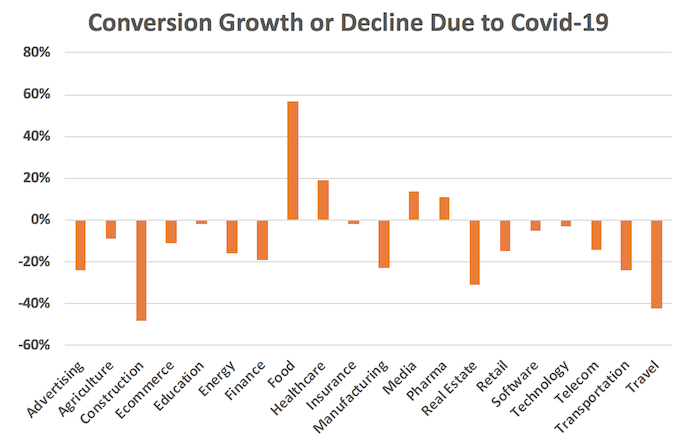
It breaks my heart to see how brutally the travel sector has been hammered in the covid-19 crisis. It is probably a good time to join an edtech, healthcare or foodtech company as opposed to retail, construction, or transportation. The idea is to focus on industries that are hiring and not, firing.

Industries impacted y coronavirus

Who is hiring or firing?

These companies have frozen their hiring due to Coronavirus
Top Bay Area Startups That Are Hiring Right Now

How do you cope up with something like this?

Yes, the future is looking bleak. As per BBC, nearly 200 million people could end up out of work by mid 2020. But it is at times like these, we need to look at this pandemic for what it is – a jolt to our world. Remember, while you are only feeling the brunt on your job prospects, there are millions dying.

This is truly a testing time for humanity and the ultimate strength we all can find in is in knowing that our world has changed. Covid-19 is bigger than a job loss, you or me. People have lost lives, dear ones, homes, life savings and hope. As you try to build your own life, try helping those around you too. The only thing that can help pull us out of this gloom is grace, kindness and generosity. Let us be grateful for where we are and what we have NOT lost – our health, our families and food.

I am sure you will conquer this. Hang in, there. Stay safe, stay sane.

How can we help you?

We are doing our best to collect resources on helping you combat the covid-19 crisis. Keep up to date on Coronavirus impact on international students here. Comment what else do you want to hear from us.

What’s your ideal job?

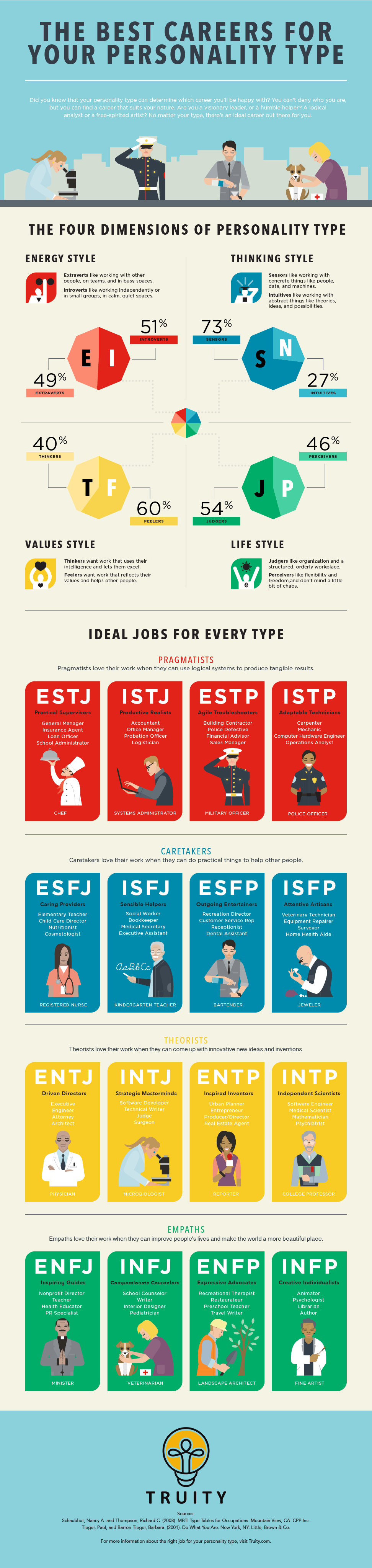
When I joined MBA program at NYU, I was made to give the TypeFinder personality test based on the famous Briggs Myers’ system used to classify people in 16 different personalities. This personality type helps in determining what kind of careers are better suited for a person. After having a varied exposure in different roles and places (engineer, team lead, director of operations, founder, author), I have come to believe that this definitely helps. Because, believe me, an introvert person is not going to enjoy a consulting or sales role in the long run and there is nothing worse than being stuck in a job that is not right for you. This is why, I lay a lot of stress on understanding what your goals are before applying so that you do not apply to programs not suited for you and end up in a job that you would never enjoy.

So, long story short, I would highly encourage you to take this test and check out what kind of personality you have. The longer version is paid but you can take a shorter 3 min free version of the test here – http://www.typefinder.com/test/type-finder-research-edition

Once you give the test, you can check out what kind of jobs align with your personality-

personality-careers_972