
Data Science vs Business Analytics – Which is Better?

So which one is the right choice for a successful career? A master’s degree in data science vs business analytics? Both programs draw insights from data using statistics and software tools. But both are very different in their end goal. But, which one has better job prospects? Which one is right for you?

Let’s evaluate this step by step in this guide to understand the key differences between master’s programs in data science vs business analytics.

Definition and Curriculum

Let us first define these degrees and understand their curriculums.

A Master’s in Data Science focuses on training students in the skills needed to analyze and interpret complex data sets. This typically includes courses in machine learning, statistical analysis, data visualization, and programming. MS in Data Science at Columbia University includes hardcore CS courses like ML and Algorithms, Stats courses like Probability and Statistical Modeling and ton of electives.

A Master’s in Business Analytics, on the other hand, focuses on using data to inform business decisions. They have no interest in data unless it can lead to an actionable insight for the business. Cornell’s MSBA curriculum includes fewer tech courses that cover basics of Data Management in SQL, Statistical Programming in Python and R and some level of ML. There is a larger variety of business courses such as Introduction to Finance Analytics, Management Writing for Business Analytics and Conversations in Business Analytics.

Career Outcomes

Let us now talk about the kind of career paths that emerge from these two programs.

Good news is that both programs can lead to rewarding careers, and there is a strong demand for professionals with skills in both data science and business analytics. So, you cannot go wrong with either of them but the kind of jobs you can aim for is different. So, it is important that you understand the difference.

It is clear that MSBA is geared entirely towards application of data science and analytics to solve business use cases. That is why it is called Business Analytics. The course is designed to help you turn data into actionable decisions. You will learn more about visualization and communicating the data in an easy to understand format. You will be trained on storytelling and generating reports which make it easier to decide how to proceed.

On the other hand, data science is a much broader field. While we have seen data science being regularly used in business, it has ton of applications in other areas. For e.g. healthcare – Data science can be used to analyze patient data to identify trends and patterns that can inform the development of new treatments or help healthcare providers make more informed decisions about patient care.

Career Pathway for Master’s in Data Science

A graduate from DS program will have more technical skillset and be spending more time programming, coding and scripting. Some of the career paths include:

  1. Data Scientist
  2. Data Engineer
  3. Machine Learning Engineer
  4. Business Intelligence Analyst
  5. Data Analyst
  6. Research Scientist
  7. Statistician

Career Pathway for Master’s in Business Analytics

A BA graduate will get training on quantitative and analytical tools for decision making as well as business communication. Following job opportunities are available:

  1. Business Intelligence Analyst
  2. Data Analyst
  3. Management Consultant
  4. Marketing Analytics Manager
  5. Operations Research Analyst
  6. Financial Analyst
  7. Risk Analyst

Check out these courses and universities to study in USA

What is better for you – Data Science vs Business Analytics?

A calculative decision between master’s in data science vs business analytics really depends on your career goals. If you’re interested in a career in data analysis or data-driven decision making in a business setting, a Master’s in Business Analytics may be the better choice. On the other hand, if you’re more interested in working with data in a research or technical capacity and are not really interested in business side of things, a Master’s in Data Science may be a better fit.

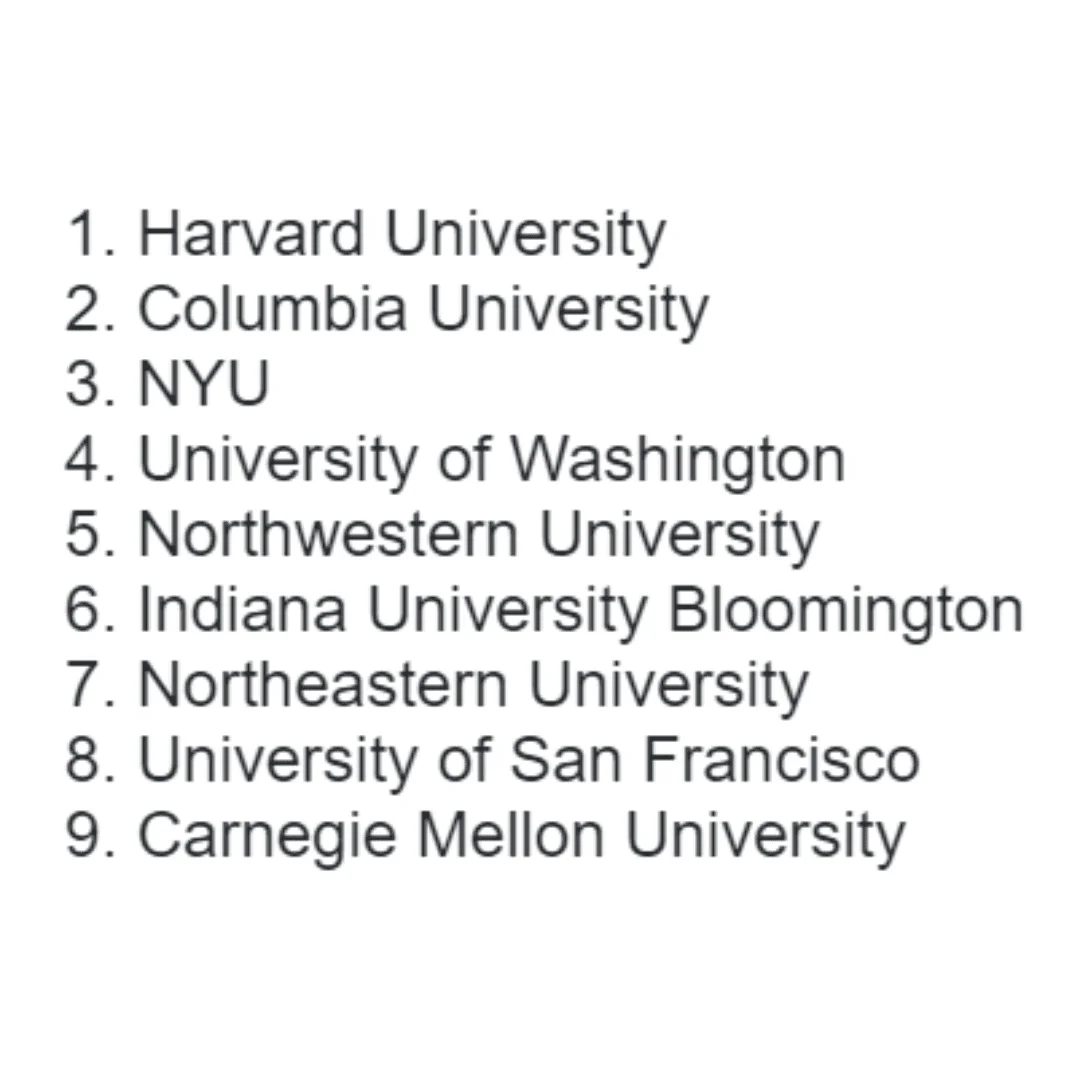
Good Universities for master’s in Data Science
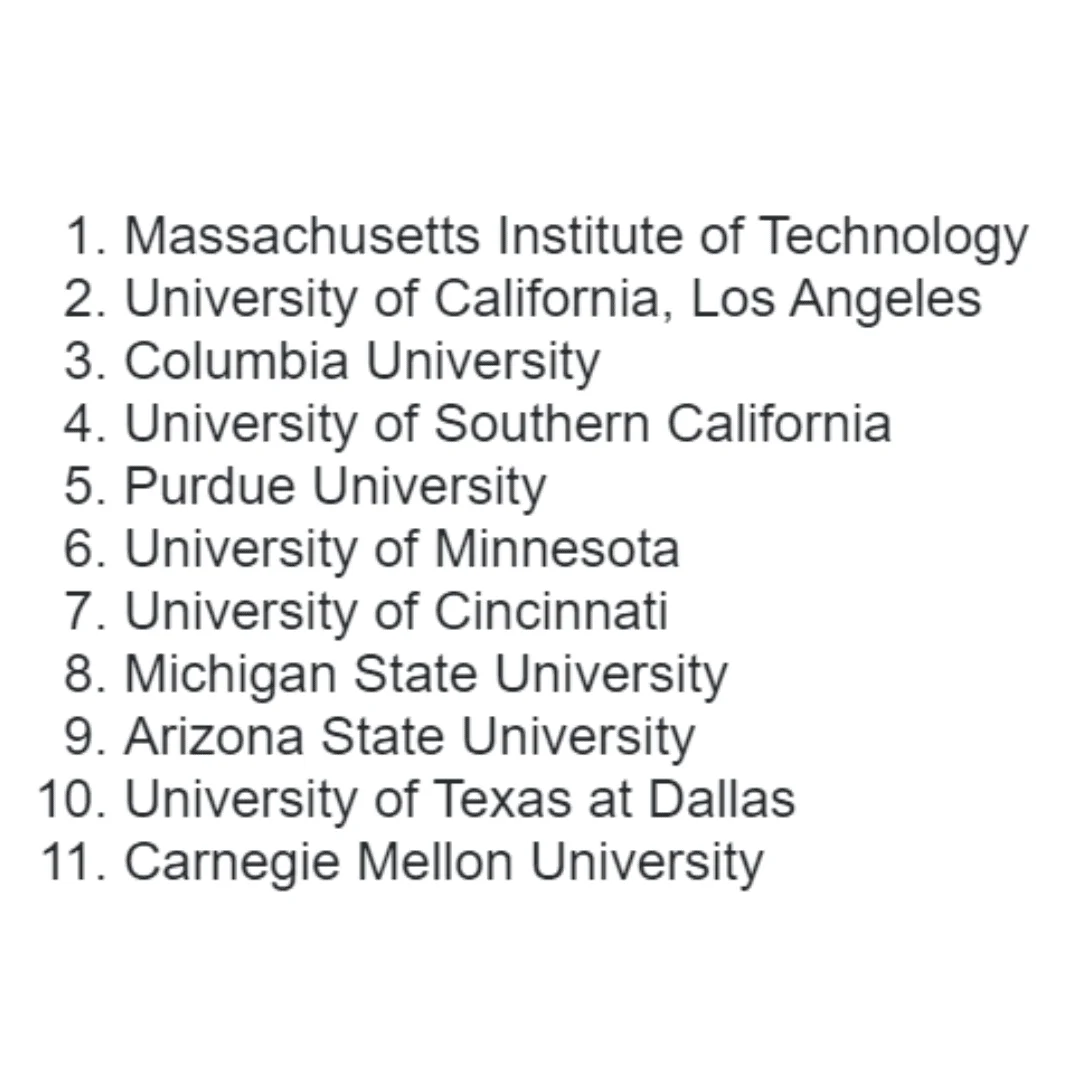
Good Universities for master’s in Business Analytics
Lastly, a word of caution – don’t go by the name alone. Some programs may call it business analytics and may be more technical in nature and vice versa. Study the curriculum carefully before you apply to make sure you get what you are looking for. You don’t want to end up in a soft and less technical program if your goal is to become a data scientist.

How Swati got into Harvard Data Science program?

Case Study time it is. Today, we are profiling Swati Sharma from Thapar University. She received an admit into Harvard Data Science program for Fall 2018.

Profile

GRE: 332
GPA: 9.88
Work Experience: Amadeus full stack developer since 2016

Timeline

Swati joined the counseling (Mastermind package) in October and spent 2-2.5 months refining her application with us. She applied to Harvard Data Science and CS program at other schools in Dec-Jan and received her first admit from Harvard in February. She also has an admit from Columbia and UCSD for CS!

We interviewed her to get a detail of how she had built her profile and managed to crack Harvard. Here you go.

Full Interview

Takeaways

Biggest takeaway for me is that any elite school is not out of reach for non-IIT or non-Google students. If you work hard in your undergrad, do interesting projects, score well in GRE, YOU CAN GET INTO TOP SCHOOLS. It is not dependent on big brands on your resume.

Internet has given us tremendous resource access. By taking worldclass MOOCs and applying that knowledge, you can prove your merit.

So, go for it. Dream big.

Work with us

If you are committed to get into a TOP school, we will do our best to help you. Join our counseling and let us build happy careers together.

Building career in Analytics through MS programs

Anyone looking to build a career in Analytics should check out MIS (Analytics), MS Data Science and MS Business Analytics programs.

Career in Analytics – Why you should not miss riding this trend?

In four years of Scholar Strategy, one trend that is so glaringly clear is the rise of interest in Analytics and Data Science programs. This stems from the growth of number of jobs in this field in big enterprises and small businesses alike. Be it a software giant, pharma company, a SAAS business, a food tech or ed-tech company, analytics underpins every industry and sector. Thanks to the massive data science teams at FANG (Facebook, Amazon, Netflix, and Google) and their success, suddenly everyone wants to play the data game!

As large number of professionals pursue a career in analytics and many looking to switch over, competition is on the rise as well. Which means that it can be very tricky to navigate the quantitative job landscape as an entry-level graduate. Burtch Works Study reported that 86% of analytics professionals have at least a Master’s degree, and 18% have a Ph.D. No wonder, we at Scholar Strategy have seen an increasing number of applicants in MIS (Analytics), MS Data Science and MS Business Analytics programs. We already discussed the subtle differences between these in our previous post.

What is Predictive Analytics?

A new term that is becoming more ubiquitous is Predictive Analytics and a lot of jobs use it in their descriptions! It can be looked upon as a subset of Data Science which specifically deals with forecasting future business outcomes. It helps us predict what can happen based on the past events. As per adobe data blog, “for instance, your credit score is calculated using predictive analytics. Based on a predetermined predictive analytics model that includes data about how you have behaved in the past, your credit score predicts how creditworthy you are likely to be in the future.” Since a major application of data science in business is to predict and prepare for the future trends and customer behavior, predictive analytics is growing in demand.

Analytics has changed many industries, one of the major ones being Marketing. The way businesses attract customers and draw leads has changed significantly. In fact, the very way that businesses think of customer acquisition and focus on incoming vs outgoing interest, has grown because analytics makes it possible to measure the efficacies of different channels. This growth in data and ability to use it effectively for business decisions is one of the major transformations we have seen in past 5-6 years.

What does it mean for you and your career?

If you are looking to become a data analytics professional, you need to wade through the competitive waters to get a good analytics position. An advanced graduate degree can give you the differentiation and a good entry point in the market. But still, it takes effort and sagacity to get to a coveted analytics role in the market. To better understand this, we are holding a webinar on Studying and Recruiting in Analytics! Looking at the overwhelming response to our last Data Science webinar, we are focusing on providing more insider information by successful grads who are now working in the industry. And if you want to know what does it take to become an Analytics professional, do not miss it 🙂